
Angola itinerary
Mid June to early July
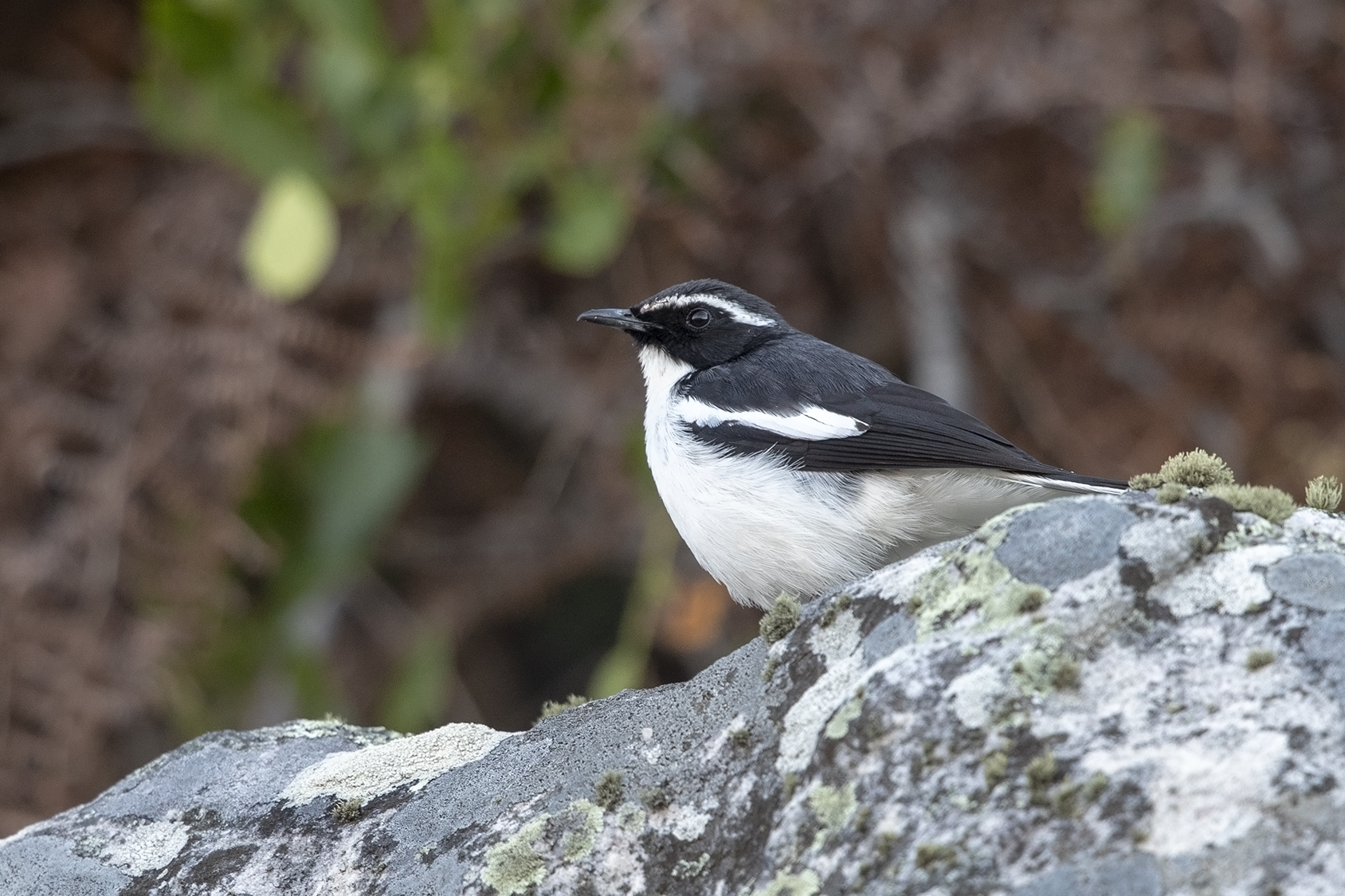
Angola was off limits for decades due to war and general safety concerns. It has rapidly returned to the birding map and is becoming an increasingly popular destination with both general birders and hardcore listers. The country boasts over 900 species as well as a host of vagrants that have been recorded. There are 13 recognised endemics (under IOC) in the country, with several others split by some authorities, as well as many other near endemics.
Our typical itinerary is as follows, adjustable for group bookings, should you wish:
Day 1: Arrival and transfer to a hotel in Luanda.
Day 2: A fairly long drive today as we travel north towards Uige. The Guinea Forests reach the northern parts of Angola in this area, the wider area known as Quitexe. En route there are a few birding spots where we should bump into our first targets of the trip. Overnight in Uige.
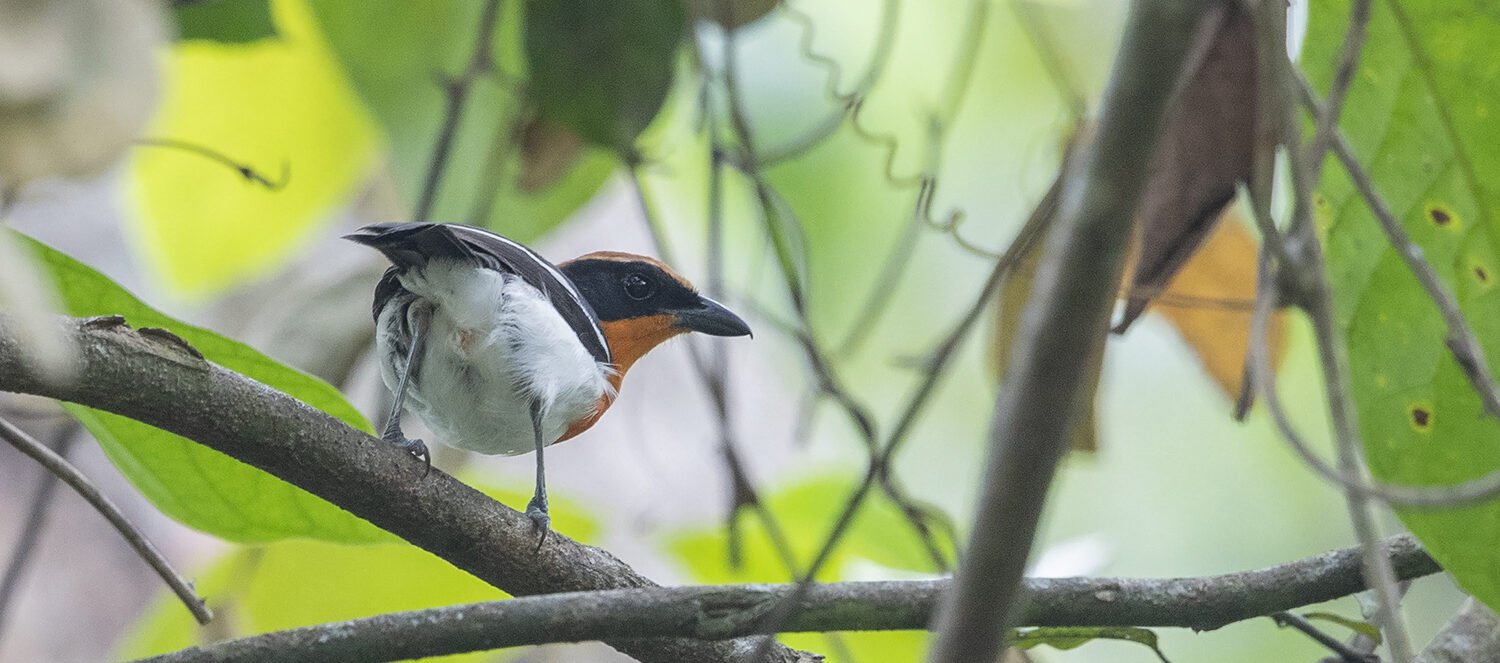
Day 3: We spend the full day birding the remnant forest and surrounds. In spite of the disturbance of the forest, most species have hung on and eke out a living in the large trees, left as shade for the crops and coffee plantations. Birds we are on the lookout for include the beautiful endemic Braun’s Bushshrike, Red-crested Turaco, Western Bronze-naped and Afep Pigeons, African Pied Hornbill, Black-backed, Naked-faced and Bristle-nosed Barbets, Buff-spotted Woodpecker, Yellow-throated Nicator, Banded Prinia, Cassin’s Flycatcher, Black-collared Bulbul, Tit Hylia, White-collared Oliveback, Blue Malkoha, Black Casqued Hornbill, Blue-throated Roller, Black Bee-eater, Blue-breasted Bee-eater, the rare Forest Swallow, Rufous-crowned Eremomela, Narrow-tailed Starling, Red-headed and Crested Malimbes & Orange-cheeked Waxbill. Overnight in Uige.
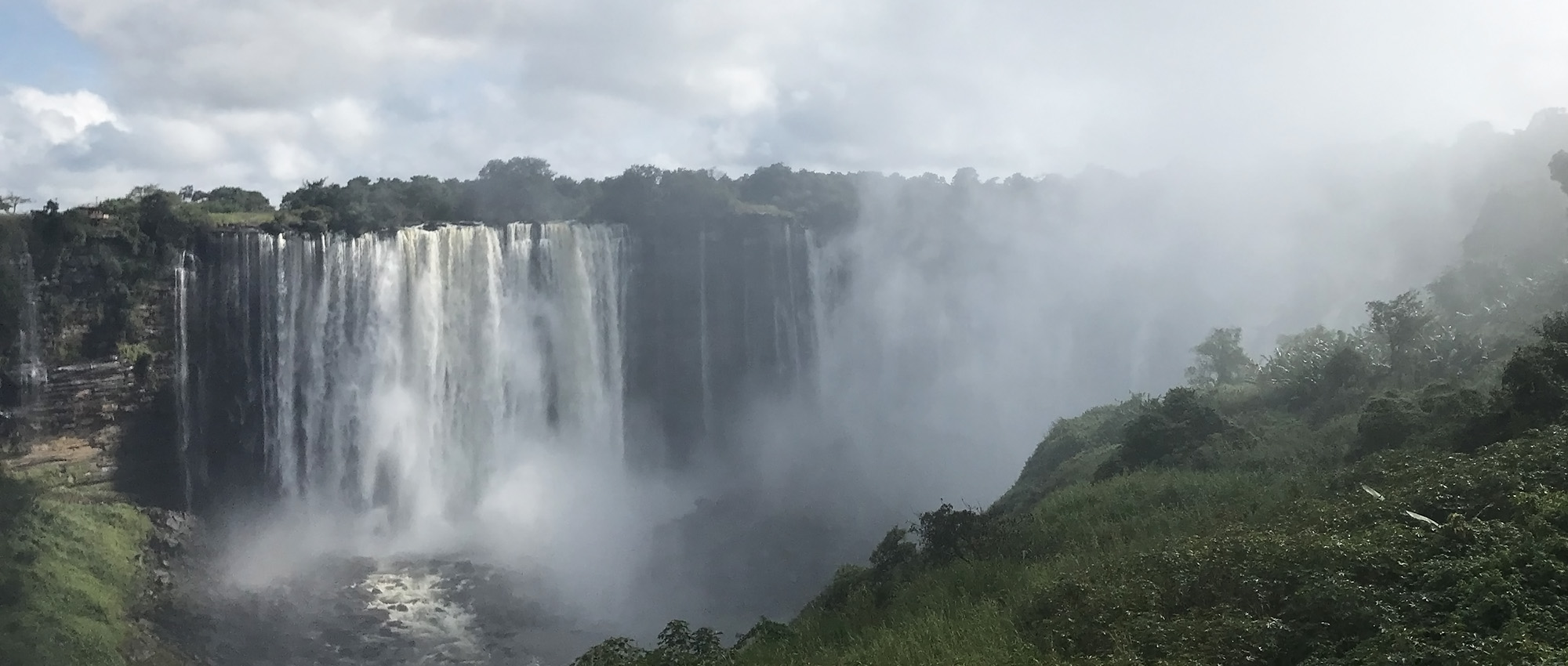
Day 4: We spend the morning birding the forests again, tracking down species we may have missed. Thereafter we depart for Calandula – location of the continent’s second largest waterfalls – where we will overnight. Arriving in the late afternoon we’ll bird the surrounding woodlands, overnight Calandula
Day 5: We head north of Calandula, to the forests near Kinjila village. Here the main target is the handsome White-headed Robin-Chat. Other birds include Grey-headed and Blue-breasted Kingfishers, Grey-winged Robin-Chat, Brown-headed Apalis, Bannerman’s Sunbird, and vocal but secretive Olive Long-tailed Cuckoo. The wooded areas near the village are host to Anchieta’s Barbet, Sharp-tailed Starling and Anchieta’s Sunbird. Overnight Calandula
Day 6: We bird the area around the lodge which has productive birding including several Sunbird species, including Western Violet-backed. We then head towards N’dalatando, visiting the scenic rocky outcrops of Pedras Negras. Birding here can produce Ludwig’s Double-collared Sunbird, Red-crested Turaco, Red-necked Spurfowl, Olive Woodpecker, Purple-throated Cuckooshrike, Falkenstein’s Greenbul, Bubbling Cisticola, Scarlet-chested Sunbird & Yellow-mantled Widowbird. Overnight N’dalatando
Day 7: The central escarpment forests around N’dalatando are home to several targets of the trip. The massive and attractive Great Blue Turaco can be seen bounding around the fruiting trees, hard to see but easy to hear, Red-fronted Parrots fly over the canopy, Piping and African Pied Hornbills are relatively common, others include several Woodpecker species, Fraser’s Rufous Thrush, Blue-throated Brown Sunbird, Green-throated Sunbird & Olive-bellied Sunbird. Overnight N’dalatando
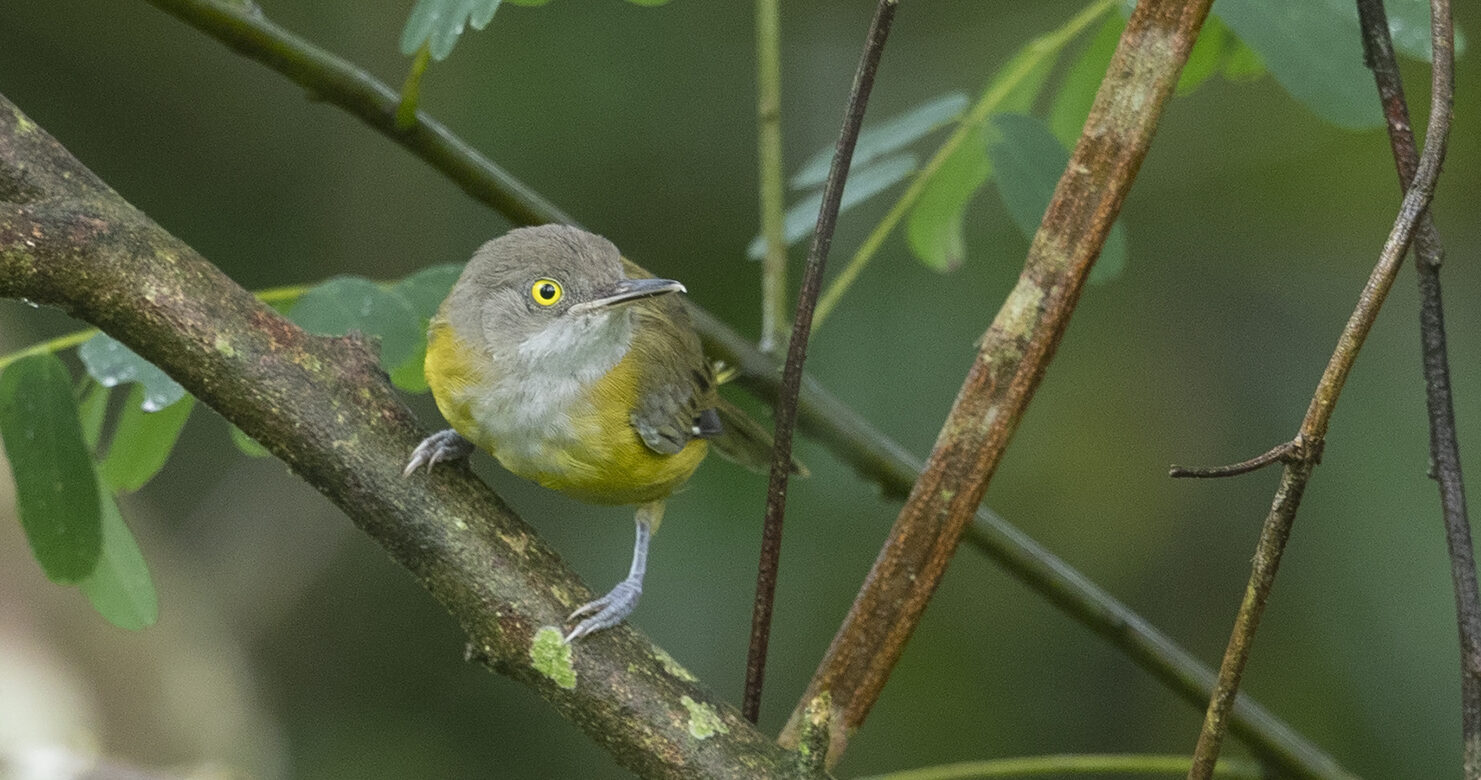
Day 8: Starting the morning in Tombingo Forest, west of N’dalatando, our birding should unearth some birds such as Guinea Turaco, Gabon Coucal, Blue Malkoha, African Emerald Cuckoo, Red-necked Buzzard, Speckled Tinkerbird, Hairy-breasted and Yellow-billed Barbet, Brown-necked Parrot, Angola Batis, Chestnut Wattle-eye, Yellow-throated Nicator, Green Crombec, Yellow-browed Camaroptera, Sooty Flycatcher, Bocage’s Akalat, Little Green and Superb Sunbird, Yellow-mantled Weaver & Black-and White Mannikin. We will then have our first chance at Grey-striped Francolin and Gabela Helmetshrike in the afternoon as we travel past Muxima and through Kissama. Overnight Caboledo
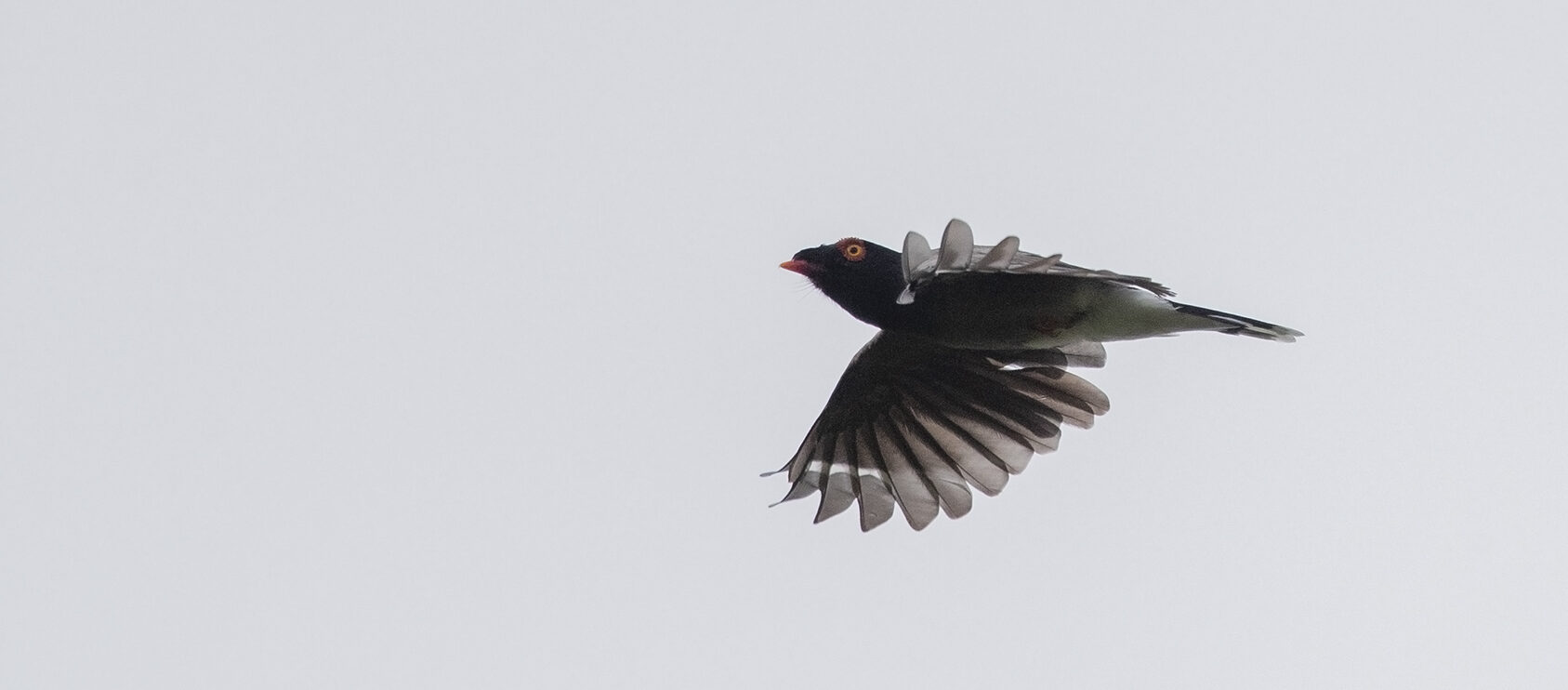
Day 9: Driving back towards Muxima, we bird the areas in Kissama National Park as well as the wider Muxima area, looking for the Francolin and Helmetshrike, as well as Red-backed Mousebird, Gorgeous (Perrins’) Bushshrike, Monteiro’s Bushshrike, Petit’s Cuckooshrike, Red-tailed Bristlebill, White-fronted Wattle-eye, Narina Trogon, Hartert’s Camaroptera, Forest Scrub Robin, Carmelite Sunbird & Golden-backed Bishop. Overnight Caboledo
Day 10: Leaving after breakfast we head south and inland towards Gabela, making various stops en route, with a possible first attempt at Gabela Bushshrike in the afternoon. We stay close to the forest in order for an early morning start. Overnight Kumbira (Conda)
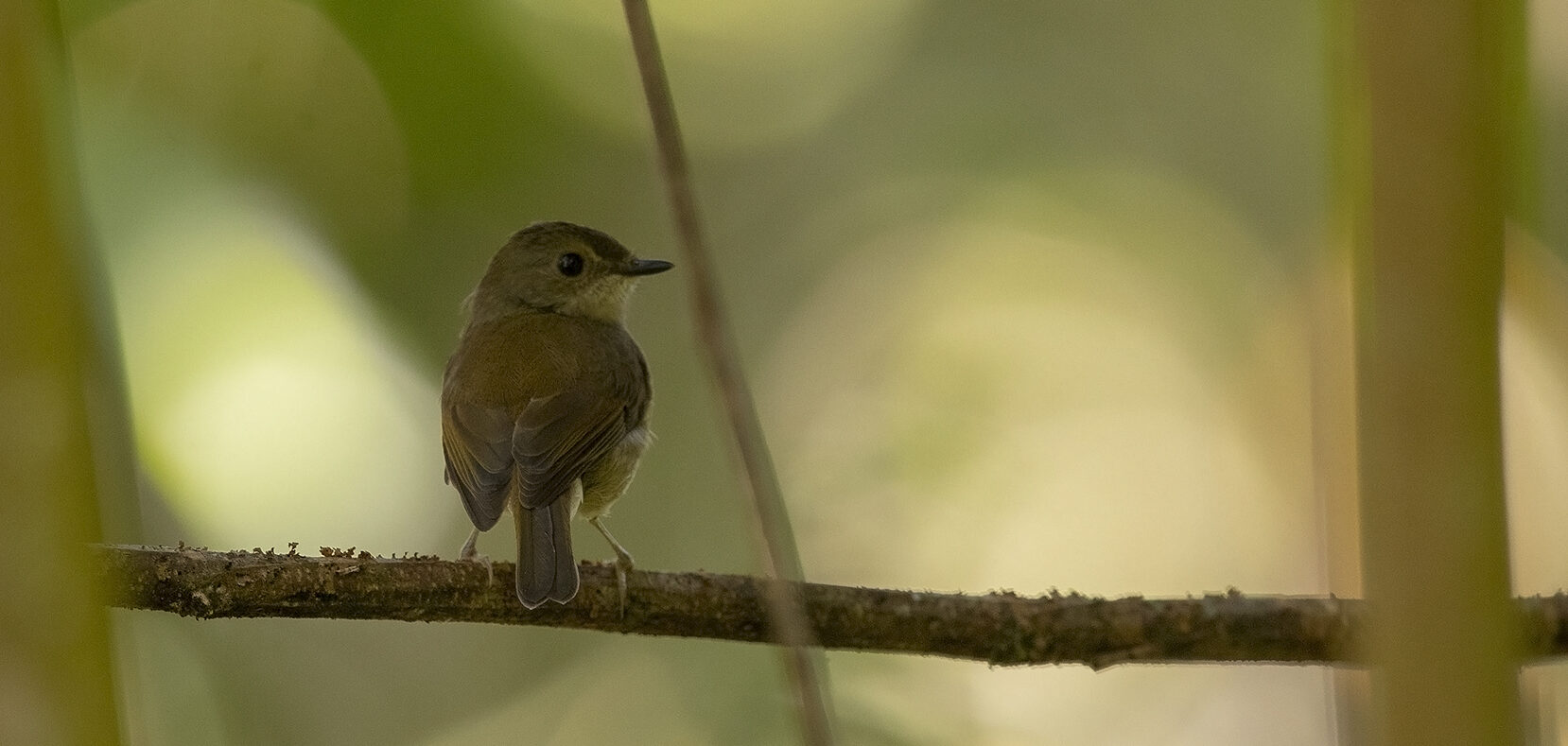
Day 11 & 12: Kumbira Forest is past its heyday thanks to widespread logging of this southerly forest. However it still hosts abundant birdlife – we will spend the next two days tracking down some tough customers, including Gabela Bushshrike, Gabela Akalat, Pullitzer’s Longbill & Yellow-bellied Wattle-eye. Other targets will include African Pygmy Kingfisher, African Broadbill, Angola Batis, Pink-footed Puffback, Rufous-vented Paradise Flycatcher, Falkenstein’s Greenbul, Pale-olive Greenbul, Buff-throated Apalis & Dusky Twinspot. Overnight Kumbira (Conda)
Day 13: We’ll have a fairly long drive southwards, stopping at various sites en route – we’ll stay near Huambo, which gives us a shorter drive to Mt. Moco the next day. Overnight Huambo
Day 14: The “shorter” drive still takes over 2 hours, so we will depart early, in order to maximise time in the varied habitat of Mount Moco Special Reserve. The birding starts from the time we leave the tar, where Bocage’s Sunbird can be seen on the first stretch, often alongside reed dwelling species such as Moustached Grass Warbler and African Marsh Harrier. The rocky slopes hold Swiertstra’s Francolin – regularly heard, but incredibly difficult to lay eyes on. The open grassy slopes are preferred by Finsch’s Francolin and Angola Lark, with Black-and-rufous Swallow foraging low over the open habitat. Varied woodland, from montane scrub to miombo surrounds the lower slopes – two barbets are around in low numbers, being Anchieta’s and Miombo Pied. Black-backed Barbet and its smaller cousin Western Tinkerbird can also be found here. There are a few subspecies split by some authorities, Pale-billed Firefinch (Red-billed) and Lepe Cisticola (Red-faced) will be looked for as well. Seedeaters are well represented, we’ll look for Fawn-breasted Waxbill, Thick-billed Seedeater & Cabanis’s Bunting. After a long fruitful day scouring these habitats we’ll return to our hotel in Huambo.
Day 15: We head back to the coast, descending into drier habitat, where we may see Bateleur gliding overhead, White-rumped Swift, African Stonechat, Yellow Bishop and Yellow-fronted Canary. Overnight Lobito
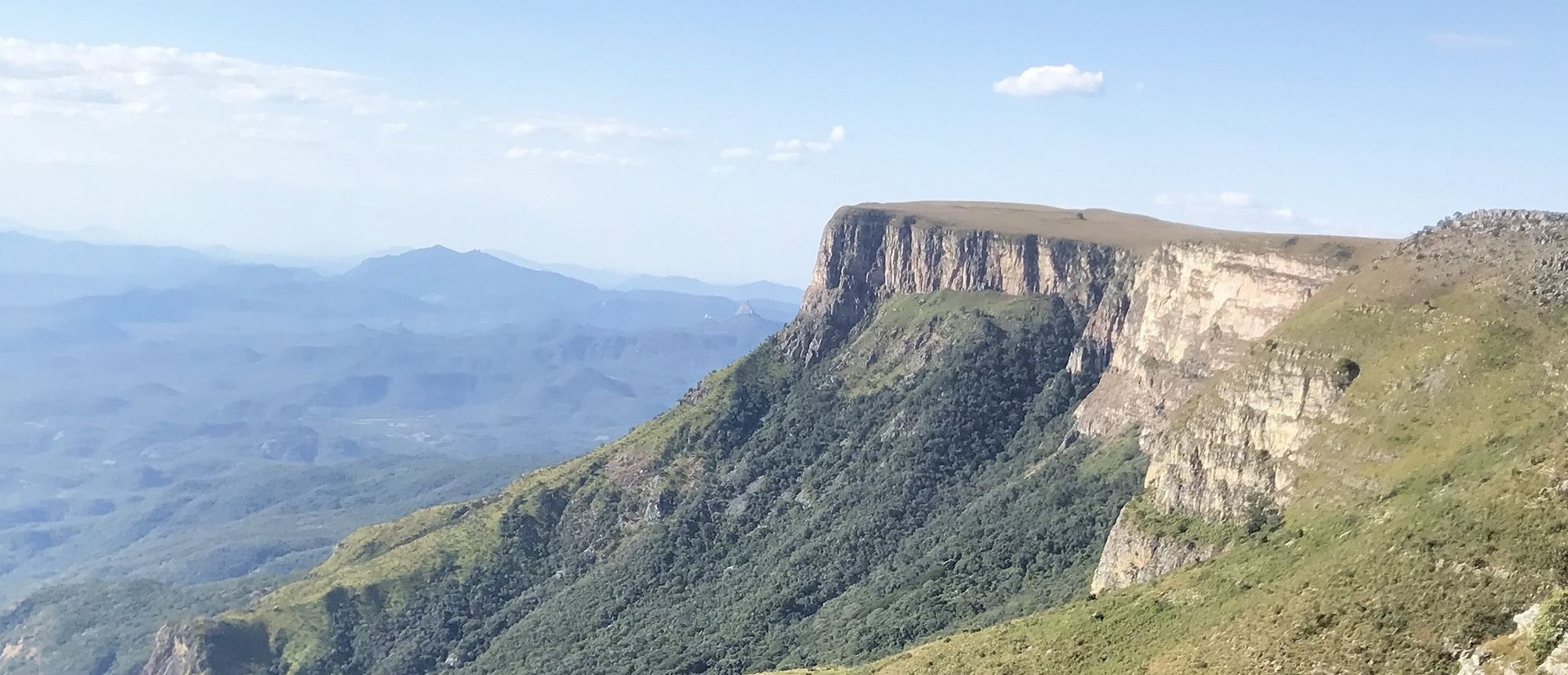
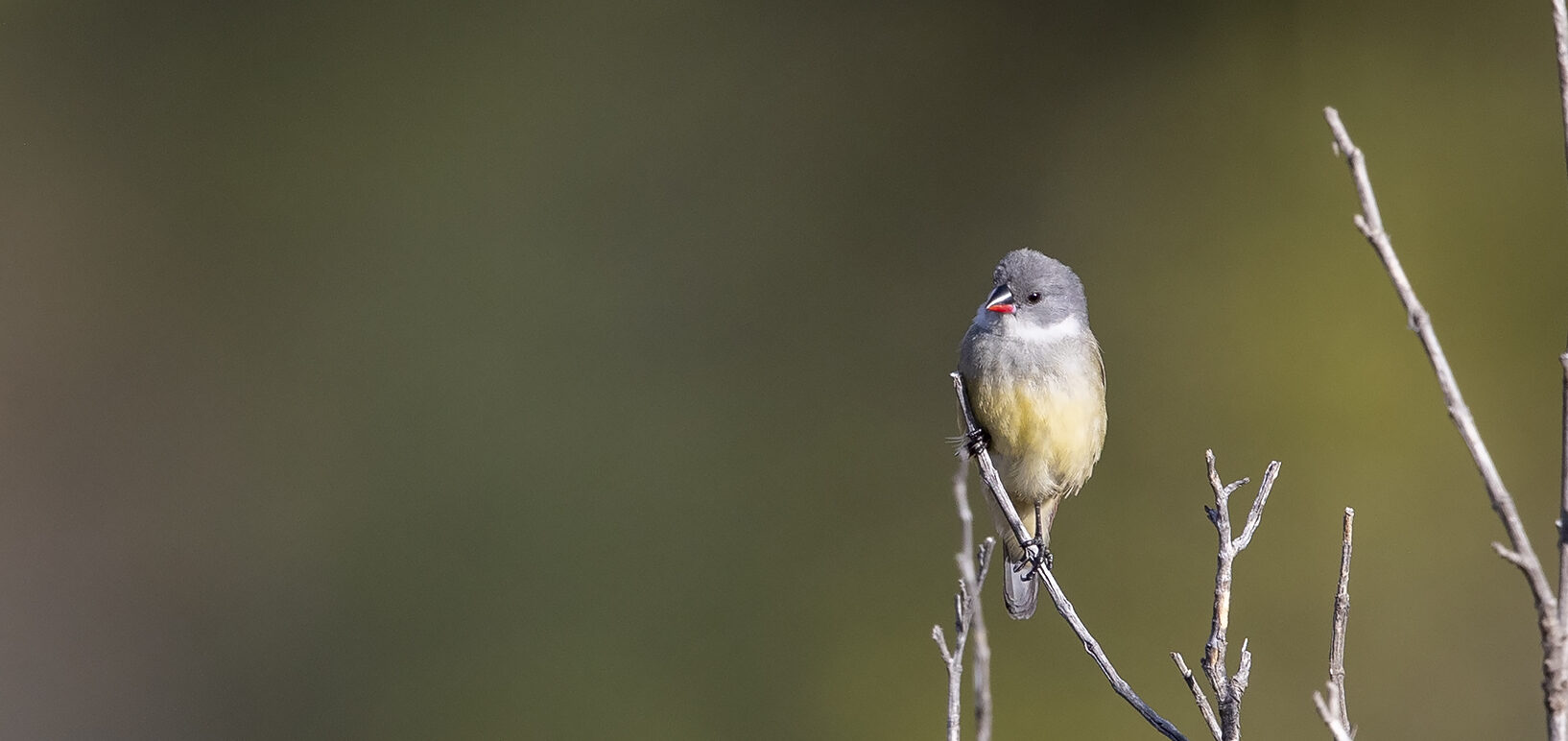
Day 16: We drive south into Namibe province – the habitat is reminiscent of Namibia, as are the birds. For those who have not visited Namibia, the returns will be excellent. For those that have, some of the tougher customers like Cinderalla Waxbill are on offer in the latter part of the drive. We ascend Leba Pass, past Tundavala and then arrive in Lubango in the evening. The bird trip list will be bolstered here with possibilities of Bradfield’s Swift, Ludwig’s Bustard, Namaqua Sandgrouse, Monteiro’s Hornbill, elegans race of Southern Yellow-billed Hornbill (possibly a future split), Rüppell’s Parrot, Rosy-faced Lovebird, Pririt Batis, Carp’s Tit, Gray’s Lark, Benguela Long-billed Lark, African Red-eyed Bulbul, Bare-cheeked Babbler, Meves’s Starling, Karoo and Tractrac Chats & Dusky Sunbird. The escarpment of Leba Pass can produce Augur Buzzard, Grey Kestrel, Fülleborn’s Longclaw, Rockrunner and Cinderella Waxbill. Overnight Lubango
Day 17 & 18: The stunning scenery almost overshadows the birding, as we look over the plains far below that we drove on the previous day. This is the best location in the country for Angola Cave Chat, Angola Waxbill and Oustalet’s Sunbird. The updrafts from the cliffs produce excellent swift and raptor watching, with Bradfield’s and Alpine Swifts being the regulars. Booted Eagle, Augur Buzzard and Lanner Falcon swoop overhead at regular intervals. The rocky plateau and valleys hold the elusive Swierstra’s Francolin, Bocage’s Akalat, Striped Pipit, Short-toed Rock Thrush, Ludwig’s Double-collared Sunbird, Wailing Cisticola (namba race), and Green-capped Eremomela. Overnight Lubango (17), flights to Luanda (18)
Timing of trip: July onwards
Prices available on request
The price includes:
- Travel in an airconditioned vehicle
- Meals and accommodation
- Drinking water
- Entrance fees
Excluded are:
- Items of a personal nature
- Drinks
- Travel insurance
- International flights
- Return flight from Lubango to Luanda
- Visa costs
- Gratuities
Upcoming trips:
July 2025: 2 last minute places open
September 2026: email to enquire